
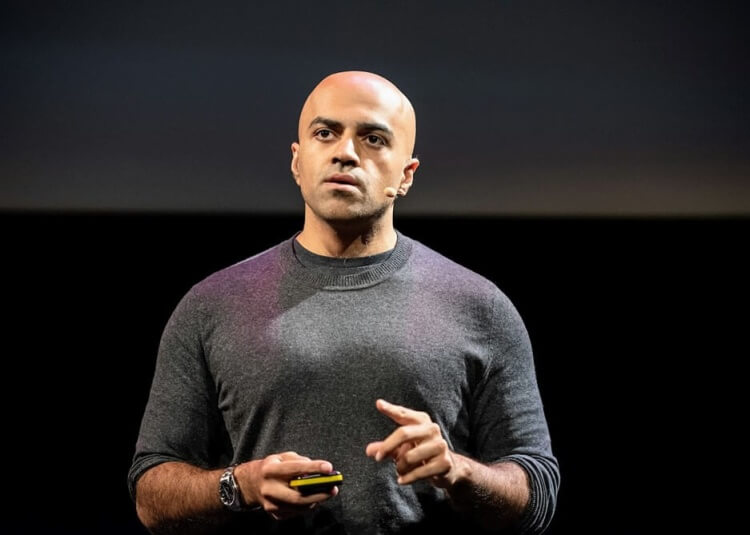
A critical vulnerability that contributed to the recent Coldcard hardware wallet security incident could have been identified by artificial intelligence for as little as $2, according to Dragonfly Capital partner Haseeb Qureshi, highlighting how rapidly AI is changing software security.
Commenting on the exploit, Qureshi said modern large language models are becoming capable of identifying subtle security flaws in code at extremely low cost, dramatically lowering the barriers to vulnerability discovery. He argued that developers can no longer assume traditional code review alone is sufficient as AI systems become increasingly effective at auditing software.
The remarks follow the disclosure of a historical flaw affecting certain versions of Coldcard hardware wallet firmware. Investigators said the vulnerability weakened the randomness used during wallet seed generation, allowing attackers to reconstruct private keys for affected wallets through large-scale computational analysis.
Blockchain researchers estimate that the exploit has now resulted in the theft of more than 1,367 BTC, worth approximately $88.6 million, across more than 4,500 Bitcoin addresses, making it one of the largest hardware wallet compromises recorded to date.
Qureshi’s comments have intensified discussion over whether AI will increasingly benefit software defenders—or attackers.
AI Changes Economics of Security Audits
According to Qureshi, the Coldcard incident demonstrates that sophisticated vulnerability discovery is becoming dramatically cheaper.
Historically, identifying subtle cryptographic or implementation flaws required highly specialized security researchers and extensive manual code review. Advances in generative AI now allow developers to analyze large codebases rapidly, identify insecure patterns and suggest fixes at a fraction of traditional auditing costs.
The same technology, however, can also assist malicious actors.
As AI systems become better at understanding programming languages, attackers may increasingly use them to identify exploitable weaknesses in open-source software, smart contracts and cryptographic implementations before maintainers have an opportunity to patch them.
That shift raises the importance of incorporating AI into defensive development workflows rather than treating it solely as a productivity tool.
Coldcard manufacturer Coinkite has already advised users who may have generated wallets using affected firmware versions to migrate funds to newly created wallets using updated software and stronger entropy sources.
Security Industry Faces New Reality
The incident has prompted broader reflection across the cryptocurrency industry about how software security practices must evolve.
Hardware wallets remain among the safest methods of storing digital assets because private keys never leave the device. The Coldcard exploit did not compromise the physical hardware itself; instead, it allegedly exploited weaknesses in how certain historical firmware versions generated recovery seeds.
That distinction illustrates a growing challenge for security engineers. Even products designed for maximum isolation remain dependent on software quality and cryptographic implementation.
Qureshi argued that AI-powered code analysis should become a standard part of software development because the cost of running automated security reviews is now negligible compared with the potential financial consequences of a missed vulnerability.
The broader implication extends well beyond cryptocurrency wallets. Financial applications, payment infrastructure, decentralized finance protocols and traditional software products increasingly face an environment where attackers can deploy inexpensive AI tools to search continuously for exploitable bugs.
As artificial intelligence reduces the cost of vulnerability discovery, software developers may need to assume that every line of publicly available code will eventually be examined by machines. The Coldcard incident suggests that the economics of cybersecurity are changing rapidly—and that defending against AI-assisted attackers will increasingly require AI-assisted defenses.