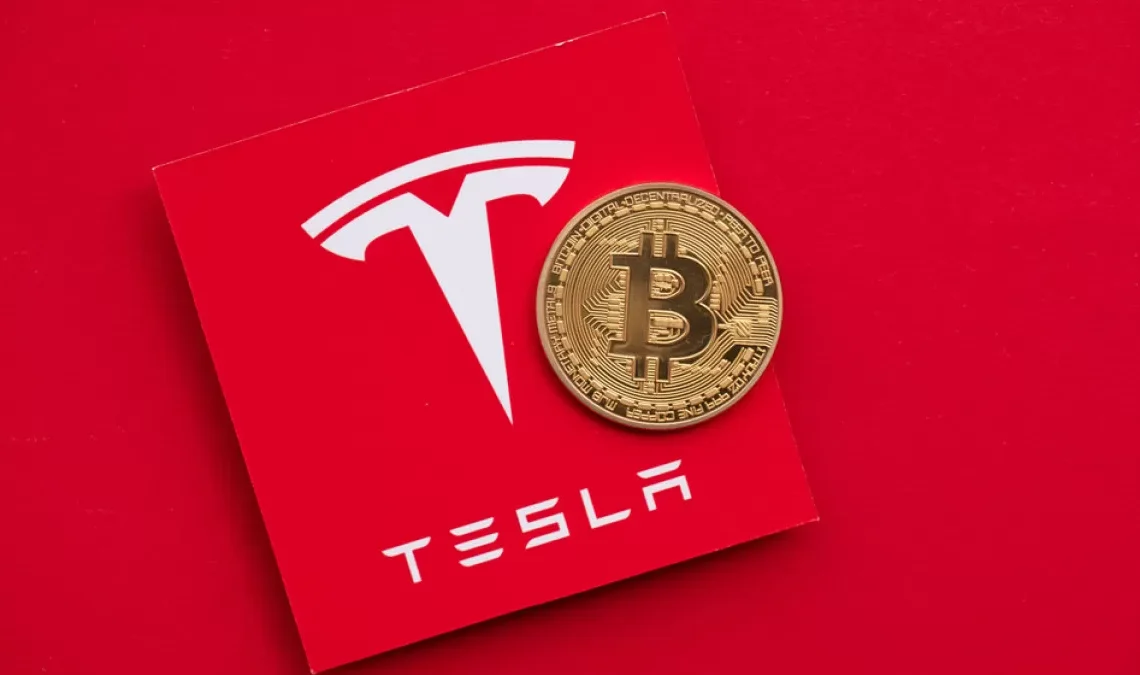
Tesla has confirmed that it has not sold any of its Bitcoin holdings in 2026, maintaining its corporate treasury position through the second quarter despite continued volatility in the cryptocurrency market.
The electric vehicle manufacturer disclosed in its latest quarterly earnings report that it still holds 11,509 BTC, the same amount reported at the end of 2025 and the first quarter of 2026. The unchanged balance indicates Tesla has neither purchased additional Bitcoin nor reduced its position this year.
The confirmation comes as investors closely monitored the company’s digital asset strategy following Bitcoin’s sharp decline from its late-2025 highs. Under current accounting rules, Tesla recognized an unrealized impairment loss of approximately $112 million during the second quarter as Bitcoin prices fell, reducing the carrying value of its digital asset portfolio.
Despite the paper loss, Tesla’s decision to retain its holdings suggests continued confidence in Bitcoin as a long-term treasury asset rather than a short-term trading position.
Tesla first entered the cryptocurrency market in early 2021 with a $1.5 billion Bitcoin purchase before selling roughly 10% later that year to demonstrate market liquidity. In 2022, the company sold approximately 75% of its remaining holdings to strengthen its cash position during COVID-related uncertainty. Since then, Tesla has largely maintained its remaining Bitcoin reserve.
Bitcoin Strategy Remains Unchanged
Tesla’s latest filing indicates that management has adopted a wait-and-hold approach toward its Bitcoin investment despite significant market fluctuations.
While many publicly listed companies have expanded their Bitcoin reserves over the past year, Tesla has refrained from making additional purchases, instead allowing its existing holdings to appreciate or depreciate alongside the market.
The unchanged position also distinguishes Tesla from newer corporate Bitcoin adopters that have actively accumulated the asset as part of dedicated treasury strategies. Rather than pursuing aggressive acquisitions, Tesla appears content to retain its existing allocation without materially increasing its exposure.
The 11,509 BTC holding remains one of the largest Bitcoin treasuries among publicly traded non-crypto companies and continues to attract investor attention whenever the company reports earnings.
Although the second quarter impairment reduced the reported accounting value of the holdings, the loss remains unrealized. Any future recovery in Bitcoin’s price could improve the valuation under the revised fair-value accounting standards now applied to corporate crypto holdings.
Crypto Exposure Becomes a Smaller Piece of Tesla’s Business
Tesla’s Bitcoin disclosure accompanied a mixed earnings report that highlighted the company’s increasing focus on artificial intelligence, robotics and autonomous driving.
The company reported record quarterly revenue but also significantly increased spending on AI infrastructure and manufacturing capacity. Against that backdrop, its cryptocurrency holdings now represent a relatively small portion of Tesla’s overall balance sheet and strategic priorities.
Nevertheless, Tesla remains one of the highest-profile corporate Bitcoin holders because of its early adoption and Chief Executive Elon Musk’s longstanding association with the cryptocurrency industry.
The company’s decision not to sell any Bitcoin throughout 2026 is likely to be viewed positively by long-term crypto investors, particularly after several quarters of uncertainty over whether rising investment requirements might prompt additional asset sales.
For now, Tesla’s latest earnings confirm a simple message: despite market volatility, accounting losses and heavy spending elsewhere in the business, the company has kept its entire Bitcoin treasury intact throughout 2026.